
Floors Designed for Forklifts and Heavy Loads
Warehouse concrete floor installation and finishing services in Cushing & Lufkin, Texas.
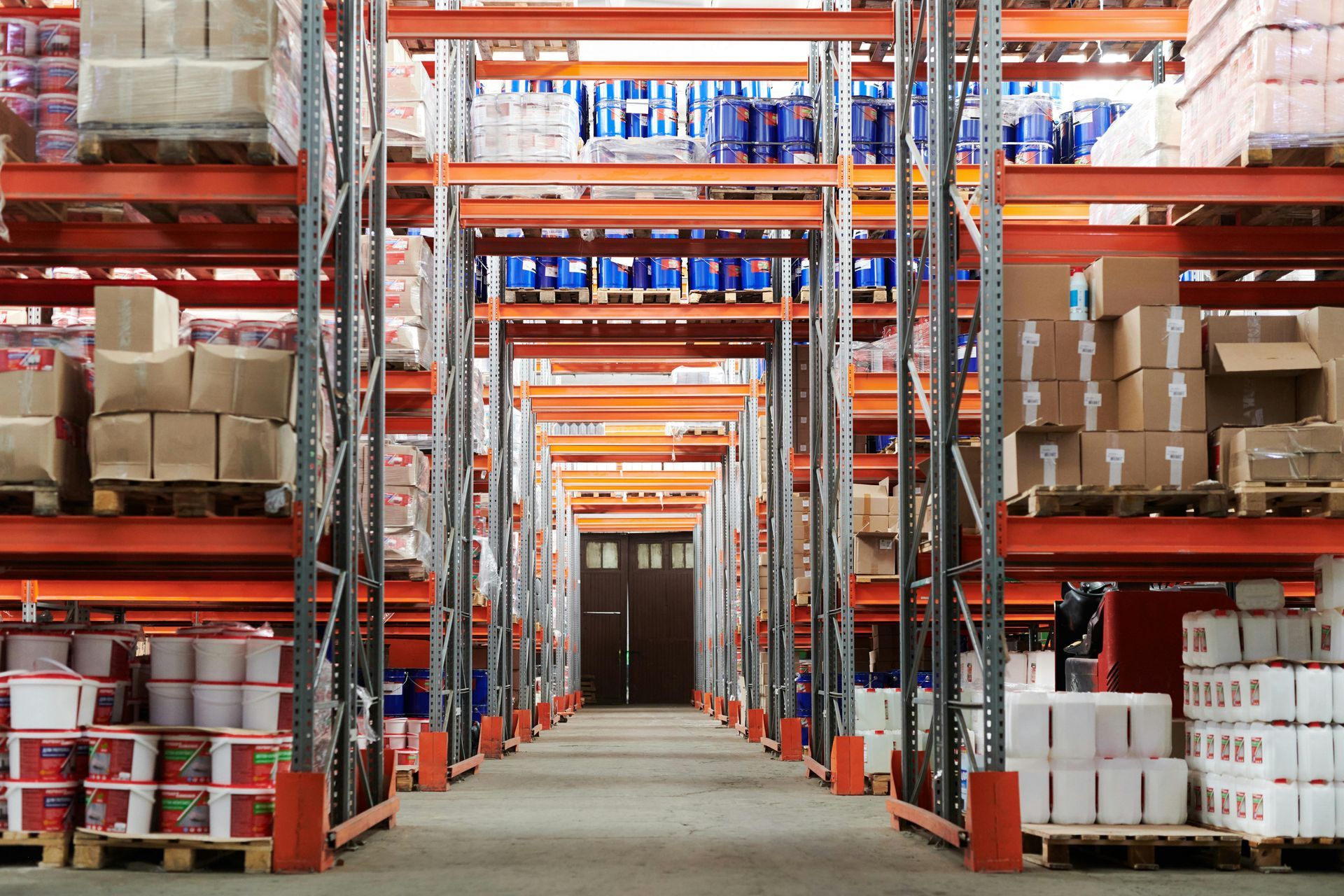
Your warehouse floor in Cushing or Lufkin, TX, supports forklifts, loaded pallets, and constant daily traffic that would destroy a standard residential slab within weeks. Warehouse concrete floors are engineered with thicker pours, steel reinforcement, and precise leveling that keeps machinery running smoothly and reduces the risk of accidents caused by uneven surfaces or cracks. A properly installed floor lasts for years with minimal maintenance, even under the kind of heavy use that defines industrial operations.
Warehouse flooring in Cushing and Lufkin, TX, requires attention to subgrade preparation, reinforcement layout, and finishing techniques that produce a smooth, level surface capable of handling point loads from racking systems and moving equipment. East Texas finest Concrete Services, LLC uses rebar or wire mesh to reduce cracking, pours the concrete in controlled sections to manage shrinkage, and finishes the surface with tools designed to meet flatness standards for equipment operation and worker safety.
If your facility needs a new floor or repairs to an existing slab that is showing wear, get in touch to discuss warehouse concrete options in Cushing and Lufkin, TX.
Why reinforcement and levelness matter under constant loads
Your warehouse floor project in Cushing begins with excavation and compaction of the subgrade, followed by the installation of rebar or wire mesh to distribute weight and resist cracking under heavy equipment. The concrete is poured in sections with control joints placed strategically to manage natural expansion and contraction, and the crew uses laser-guided screeds and power trowels to achieve a smooth, level finish that meets industry standards for flatness. The process can take several days for larger facilities, depending on square footage and access.
Once the floor cures, you will notice improved workflow efficiency as forklifts and pallet jacks move without vibration or resistance, racking systems sit level without shimming, and the surface resists chipping or spalling even in high-traffic aisles. The floor stays cleaner because the smooth finish does not trap dust or debris in surface irregularities.
Warehouse concrete floors work best when the subgrade is stable and moisture barriers are installed to prevent vapor transmission from below, which can damage finishes or coatings applied later. The service includes reinforcement, finishing, and control joint placement, but does not typically cover specialty coatings, epoxy systems, or decorative finishes unless specified during planning. If your facility handles corrosive materials or requires specific chemical resistance, those needs get addressed during design.
Common concerns before installing an industrial floor
Before scheduling a warehouse floor installation in Cushing or Lufkin, TX, facility managers usually ask about thickness requirements, how long operations need to pause, and what kind of reinforcement is necessary for their specific equipment and load patterns.
What thickness does a warehouse floor need for forklift traffic?
Most warehouse floors use at least six inches of concrete, with thicker sections under heavy racking or concentrated loads. The exact thickness depends on the weight and frequency of your equipment and whether the floor will support static storage or constant movement.
How does reinforcement prevent cracking in a warehouse floor?
Rebar or wire mesh distributes weight across the slab and reduces stress concentrations that cause cracks. Reinforcement also helps the floor resist shrinkage cracking as the concrete cures and handles repeated impact from heavy equipment.
Why does floor levelness matter for warehouse operations?
Uneven floors cause forklifts to bounce or tilt, which increases wear on equipment and creates safety hazards for operators. Precisely leveled concrete improves safety, workflow efficiency, and equipment operation by eliminating dips and high spots.
When can the warehouse floor handle full equipment loads?
Light foot traffic is possible after a few days, but heavy equipment and full loads should wait until the concrete reaches full strength, typically around 28 days. East Texas finest Concrete Services, LLC provides a curing schedule tailored to your project and timeline.
What kind of maintenance does a warehouse floor require?
Properly installed concrete floors resist damage and reduce repair costs over time. Routine cleaning and occasional joint sealing are usually sufficient, though high-traffic areas may eventually need surface repairs or grinding to restore smoothness.
Warehouse concrete floors in Cushing and Lufkin, TX, provide the durable, level foundation that keeps industrial operations running smoothly without constant repairs or downtime caused by surface failures. If your facility needs a new floor or repairs to an aging slab, contact East Texas finest Concrete Services, LLC to review your space and discuss reinforcement and finishing options.